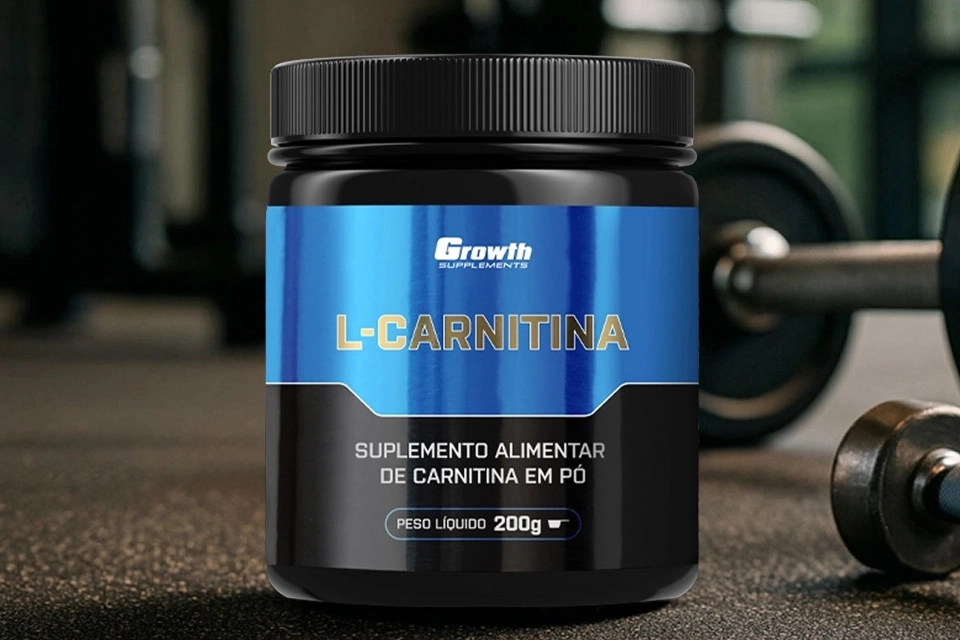
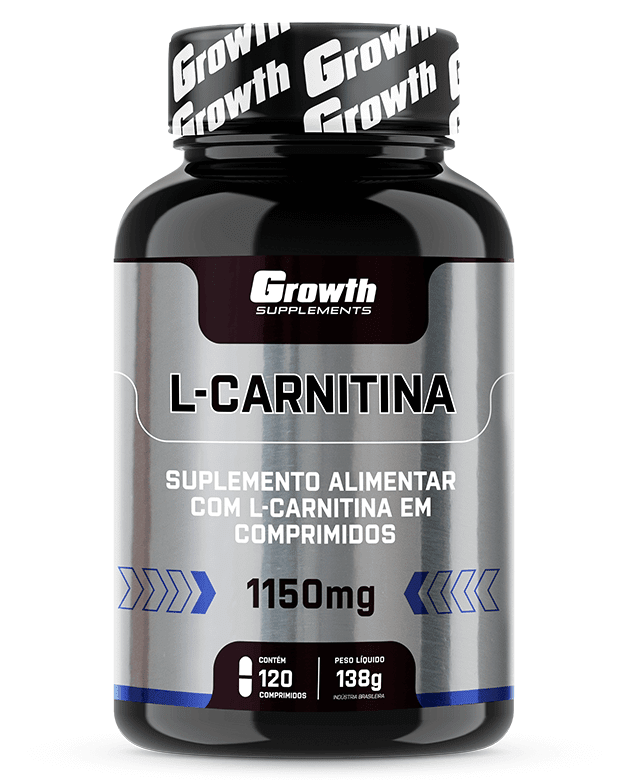
This formulation has become my go-to recommendation for people with Hashimotos who are interested in the elemental diet
BPC-157 is a synthetic peptide widely discussed in research-led wellness circles for its relationship with tissue repair pathways, gut integrity, and recovery-focused routines
We first exposed freshly lysed parasites with either 100 g/ml puromycin for 15 minutes

Common side effects by peptide type Growth hormone peptides: Water retention (temporary) Lethargy initially (adapts within weeks) Carpal tunnel symptoms (rare, high doses) Insulin resistance (monitor with long-term use) IGF-1 LR3: Hypoglycemia (keep fast carbs on hand) Jaw/facial bone growth (with chronic use) Organ enlargement (long-term misuse) Healing peptides: Minimal side effects Occasionally: fatigue, headache (rare) Monitoring and bloodwork Baseline testing before starting: IGF-1 levels Thyroid panel (T3, T4, TSH) Fasting glucose and insulin Lipid panel Liver and kidney function Follow-up testing: Every 3-6 months during protocol Monitor IGF-1 (ensure not excessively elevated) Check glucose metabolism Liver/kidney function Contraindications Avoid peptides if: Active cancer (GH/IGF-1 can promote tumor growth) Diabetic without physician oversight Significant organ disease Use caution if: Family history of cancer Pre-diabetic Taking medications that affect blood sugar See our peptide safety and risks guide for comprehensive safety information
MR wrote the manuscript with contributions from AP, UK, and SB
The GST classes and levels can also vary within the same species, which may explain why certain crop cultivars can withstand higher stress levels (Deng and Hatzios Reference Deng and Hatzios2002