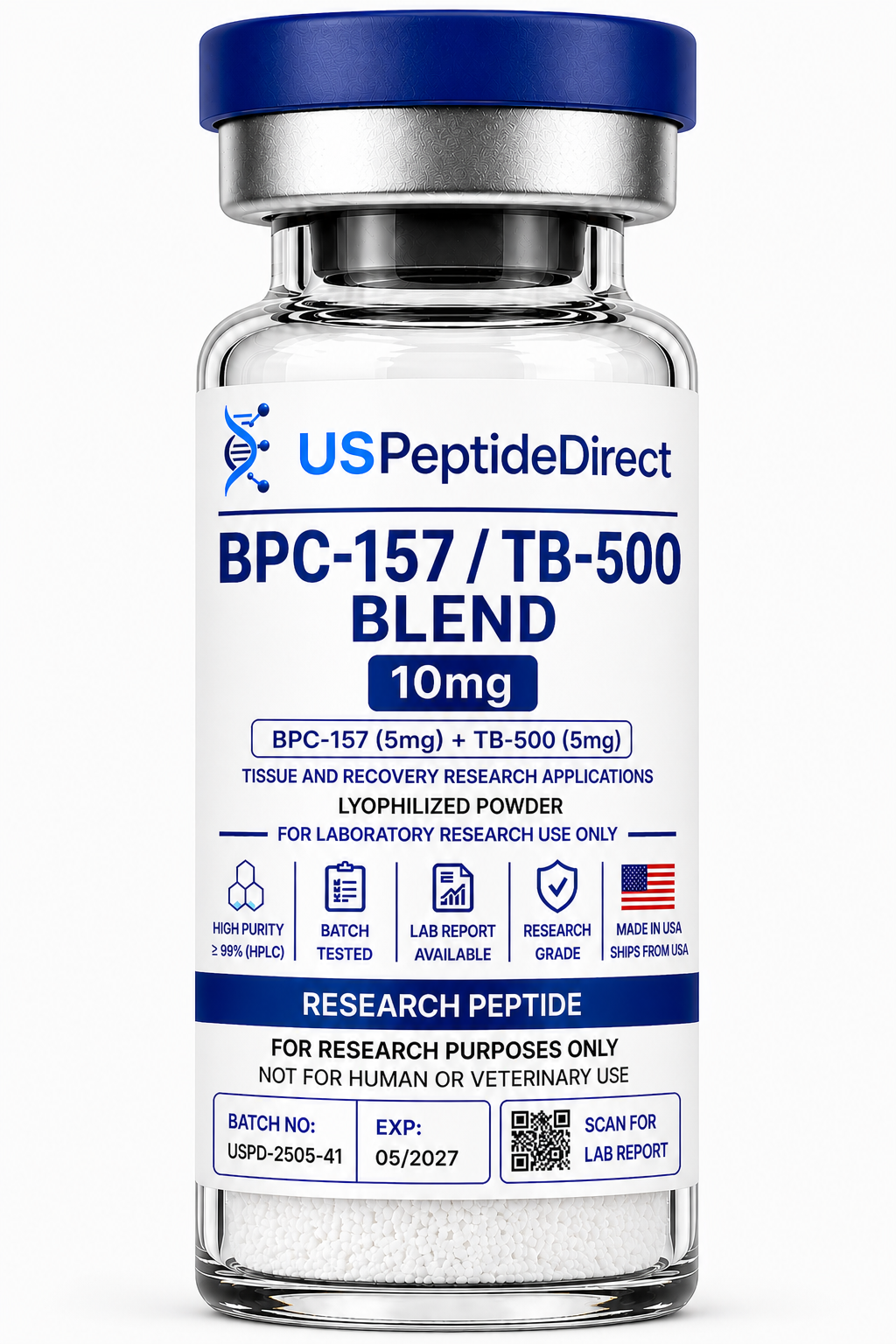
8 weeks (2 vials): 6 mL 1 bottle (10 mL) 12 weeks (3 vials): 9 mL 1 bottles (10 mL each) 16 weeks (4 vials): 12 mL 2 bottles (10 mL each) Alcohol Swabs Use one swab for the vial stopper and one for the injection site per administration
That mix matters because a lot of people need more than one tool
If you dont understand something related to your condition or treatment, ask your doctor to explain it to you
BOMSS advises specialist multidisciplinary follow-up for at least two years post-surgery, with lifelong monitoring thereafter in primary care
Z.SeverM.VidovicT.LojoN.KolencD.VuleticL

Initial assessment typically includes: Detailed history: Your doctor will ask about B12 supplementation, dietary habits, alcohol consumption, medications, and symptoms suggesting liver disease, kidney disease, or malignancy Physical examination: Looking for signs of liver disease (hepatomegaly, jaundice), lymphadenopathy, splenomegaly, or other abnormalities Medication review: Identifying any supplements or medications that might explain the elevation First-line investigations commonly include: Repeat B12 measurement: Confirming persistent elevation after stopping supplements (if applicable), ideally using the same laboratory Full blood count (FBC): Assessing for anaemia, polycythaemia, or abnormal white cell counts that might suggest haematological disorders Peripheral blood film: May be requested if blood count abnormalities are present Liver function tests: Evaluating for hepatic disease through ALT, AST, alkaline phosphatase, bilirubin, and albumin Renal function tests: Measuring creatinine and estimated glomerular filtration rate (eGFR) Inflammatory markers: C-reactive protein (CRP) and erythrocyte sedimentation rate (ESR) if inflammation is suspected Further investigations may be arranged based on initial findings: Haematology referral: If FBC abnormalities suggest myeloproliferative disorders (e.g., raised haemoglobin, platelets), specialist assessment with JAK2 mutation testing or bone marrow examination may be necessary Liver imaging: Ultrasound, CT, or MRI scanning if liver disease or hepatic malignancy is suspected Additional blood tests: Including lactate dehydrogenase (LDH) if clinically indicated If results remain unexplained, discussion with the laboratory about possible macro-B12 or assay interference may be helpful