Mechanism of Action (Research Context) In laboratory and cellular models, GHK-Cu has been observed to influence: Fibroblast activity studied for its role in extracellular matrix signalling and structural repair Collagen and elastin gene expression associated with skin structural protein synthesis pathways Inflammatory cytokine regulation studied for anti-inflammatory signalling in cellular models Angiogenesis and tissue remodelling influences wound-healing and vascular repair pathways Research Summary GHK-Cu has been investigated in scientific research for its potential role in: Skin regeneration and structural protein synthesis Wound-healing and tissue repair pathways Anti-inflammatory signalling Cellular oxidative stress responses Hair follicle and dermal biology research Browse our full range of Skin, Cosmetic & Anti-Inflammatory research compounds
Aetna covers Mounjaro with PA and step therapy requirements
Its no wonder why so many people are adding it to their morning coffee to see if they can get some of the benefits that's advertised
Lazzarino G, Amorini AM, Signoretti S, Musumeci G, Lazzarino G, Caruso G, et al
Mild edema or water retention: Occasional, dose-related
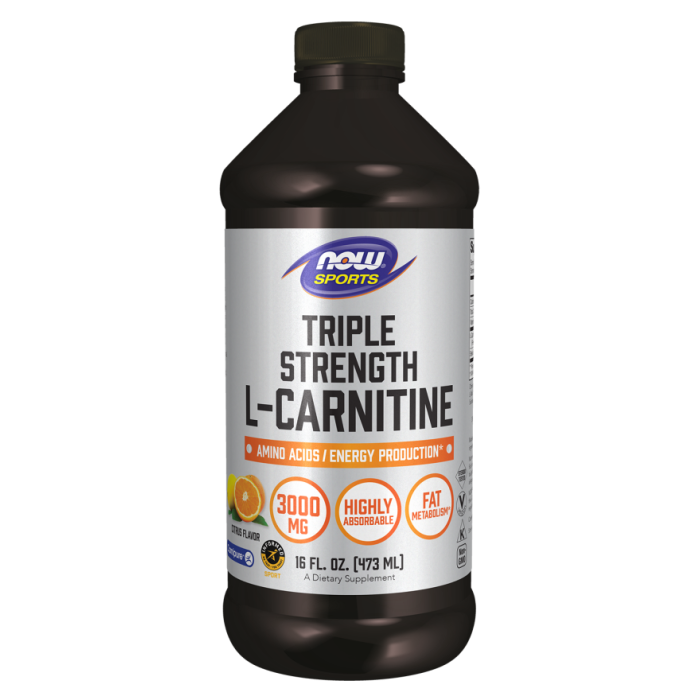
Toggle navigation PAMDB Browse Metabolite Browse Protein Browse Reaction Browse Pathway Browse Search Search molecular formula and weight Mass spectrum search MS/MS spectrum search Molecular structure search Protein sequence blast Downloads Metabolites Proteins Structures About About PAMDB Acknowledgments compounds proteins pathways reactions L-carnitine (PAMDB110763) Identification Taxonomy Physical Properties Biological Properties Spectra Concentrations Links References Enzymes Transporters Proteins (3280) Record Information Version 1.0 Update Date 1/22/2018 12:54:54 PM Metabolite ID PAMDB110763 Identification Name: L-carnitine Description: The ( R )-enantiomer of carnitine