Given the increased prevalence of uveal melanoma in patients with AMS, some authors recommend routine annual assessment by an ophthalmologist.53,54 Ultraviolet light is known to be nevogenic and appears to contribute to the emergence of dysplastic nevi.3,55 Furthermore, UV radiation acts as an initiator and promoter in the process of malignant transformation of melanocytes.3 It was demonstrated that patients with hereditary AMS have reduced abilities to repair DNA damage induced by ultraviolet light.56,57 Therefore, the patient should avoid exposure to sunlight or artificial ultraviolet light (such as tanning beds) and use physical protection in the prevention of sunburn.3,18 Although it has not been documented that the use of sunscreen prevents the emergence of dysplastic nevi or decreases the risk of developing melanoma, it has been shown that a sunscreen with a Sun Protection Factor of at least 15 reduces the incidence of actinic keratoses and decreases the development of melanocytic nevi.3,18 The patient must be advised not to use sunscreen in order to prolong exposure, which may in fact increase the risk of developing melanoma.3,19 Prospective studies show that the risk of melanoma in families of patients with AMS is considerable.32 In addition, many patients initially considered as having sporadic AMS actually belong to families with AMS.3 Therefore, it is recommended that first-degree relatives of AMS patients be examined by a dermatologist for the presence of dysplastic nevi, AMS or melanoma
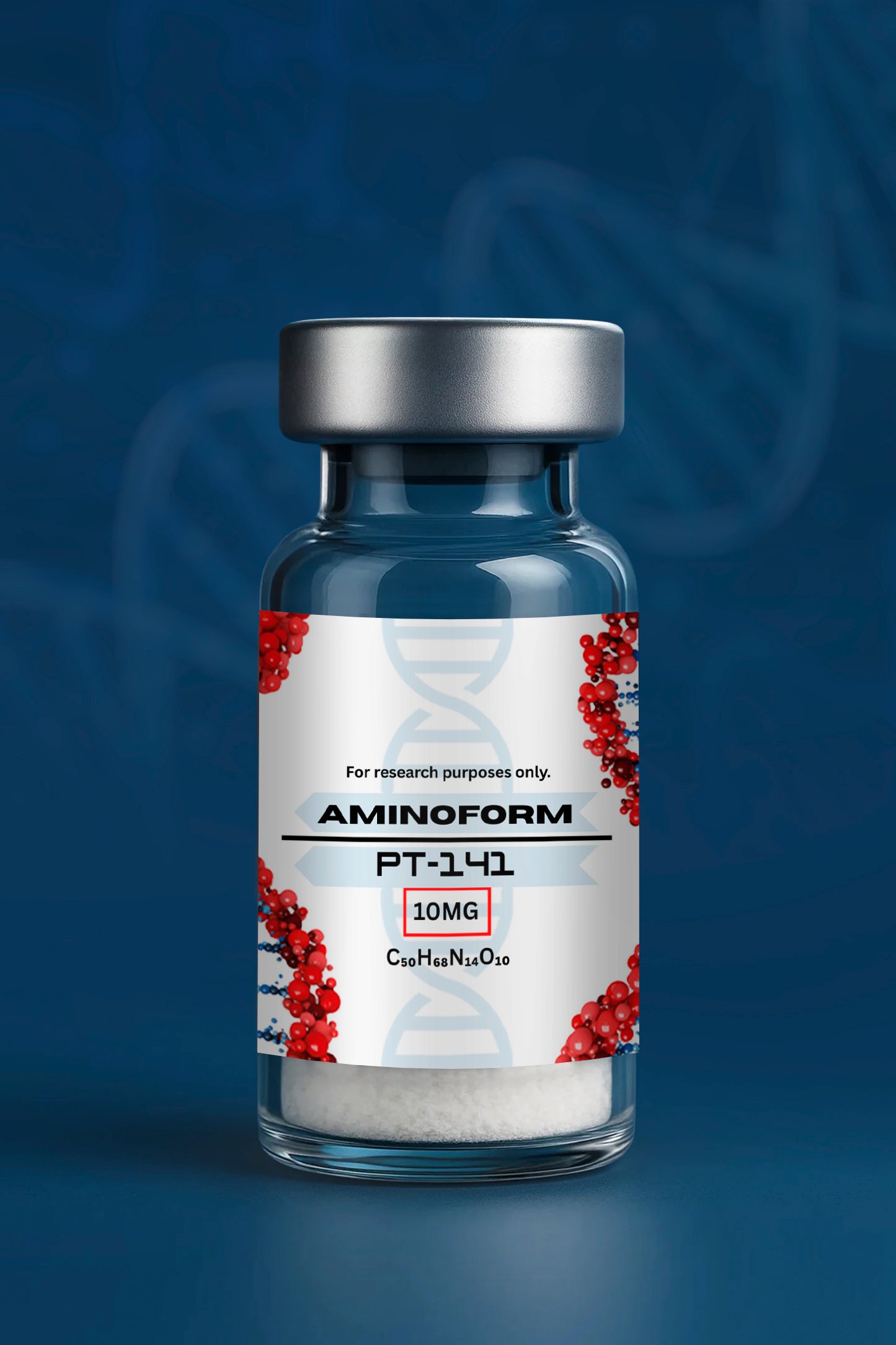
"Many of these products are aimed at young people, especially through social media," he said
(5) Wolf Horrell EM, Boulanger MC, DOrazio JA
Individuals seeking a faster-acting, non-invasive option with greater convenience and flexibility
Sex Male to female ratio is 1:2
If you want to test a new plan, keep alcohol light