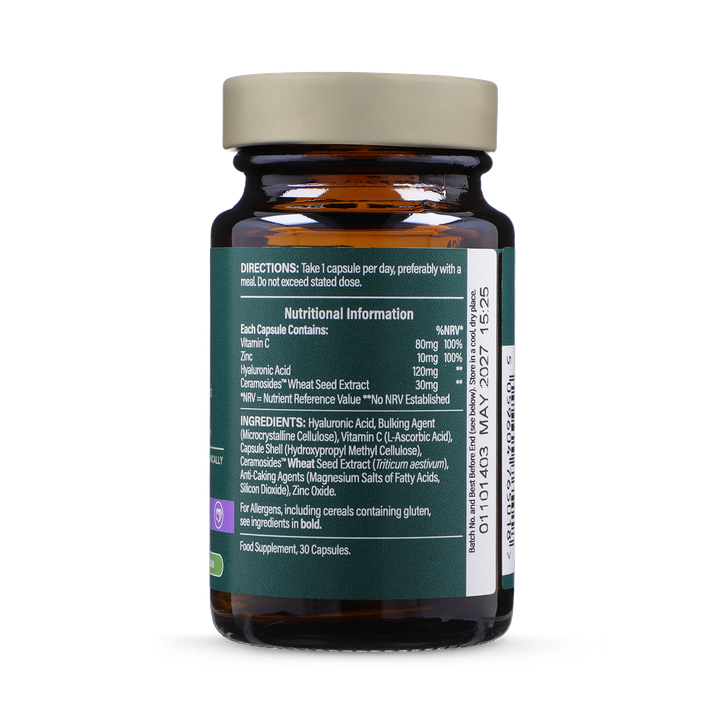
Milk thistle (Silybum marianum): Supports liver cell protection and regeneration during medication stress N-acetylcysteine (NAC): Replenishes glutathione and reduces oxidative burden Vitamin C & zinc: Essential for collagen synthesis, immune recovery, and wound healing Vitamin D + K2: Support bone density, calcium balance, and immune regulation Adaptogens (e.g., ashwagandha, rhodiola): Help buffer adrenal stress and support circadian rhythm balance Nutritional & Lifestyle Foundations Emphasize adequate protein intake (collagen, eggs, wild-caught fish) to counter muscle and connective tissue loss Include antioxidant-rich foods such as citrus, berries, cruciferous vegetables, and green tea Support vitamin D status through sunlight exposure and appropriate D3 + K2 supplementation Incorporate weight-bearing exercise and supportive modalities (e.g., red-light therapy) to preserve bone and muscle Functional Medicine Monitoring and Recovery Considerations Assess and monitor: vitamin D, magnesium, zinc, selenium, fasting glucose, and bone density Support detoxification: use strategies such as sulforaphane and NAC to assist liver and mitochondrial function Taper thoughtfully: when appropriate, work with a qualified clinician to gradually reduce steroid use while restoring adrenal balance and nutrient status While corticosteroids exert their effects by overriding stress and immune signaling, other commonly used pain medicationssuch as acetaminophen (Tylenol)disrupt healing through different metabolic pathways
Given the differential effects of ML226 on 2-OGDD inhibition, we wanted to take an orthogonal approach to impairing OGDHc activity
References Anderson, J.M., et al
Ultimately, our research endeavors to offer novel insights and directions for the prevention and treatment of OA
Bile acid metabolites control TH17 and Treg cell differentiation
and (ii) decrease in production of free radicals via antagonism of the transition state of active metals [101]