Fluid and electrolyte disturbances: Sodium retention Fluid retention Congestive heart failure in susceptible patients Potassium loss Hypokalemic alkalosis Hypertension Musculoskeletal: Muscle weakness Steroid myopathy Loss of muscle mass Osteoporosis Vertebral compression fractures Aseptic necrosis of femoral and humeral heads Pathologic fracture of long bones Gastrointestinal: Peptic ulcer with possible subsequent perforation and hemorrhage Pancreatitis Abdominal distention Ulcerative esophagitis Dermatological: Impaired wound healing Thin fragile skin Facial erythema Increased sweating May suppress reactions to skin tests Petechiae and ecchymoses Neurological: Convulsions Increased intracranial pressure with papilledema (pseudotumor cerebri) usually after treatment Vertigo Headache Ophthalmic: Posterior subcapsular cataracts Increased intraocular pressure Glaucoma Endocrine: Menstrual irregularities Development of cushingoid state Suppression of growth in children Secondary adrenocortical and pituitary unresponsiveness, particularly in times of stress, as in trauma, surgery, or illness Decreased carbohydrate tolerance Manifestations of latent diabetes mellitus Increased requirements for insulin or oral hypoglycemic agents in diabetics Metabolic: Negative nitrogen balance due to protein catabolism Miscellaneous: Hyperpigmentation or hypopigmentation Subcutaneous and cutaneous atrophy Sterile abscess Postinjection flare, following intra-articular use Charcot-like arthropathy Itching, burning, tingling in the ano-genital region A
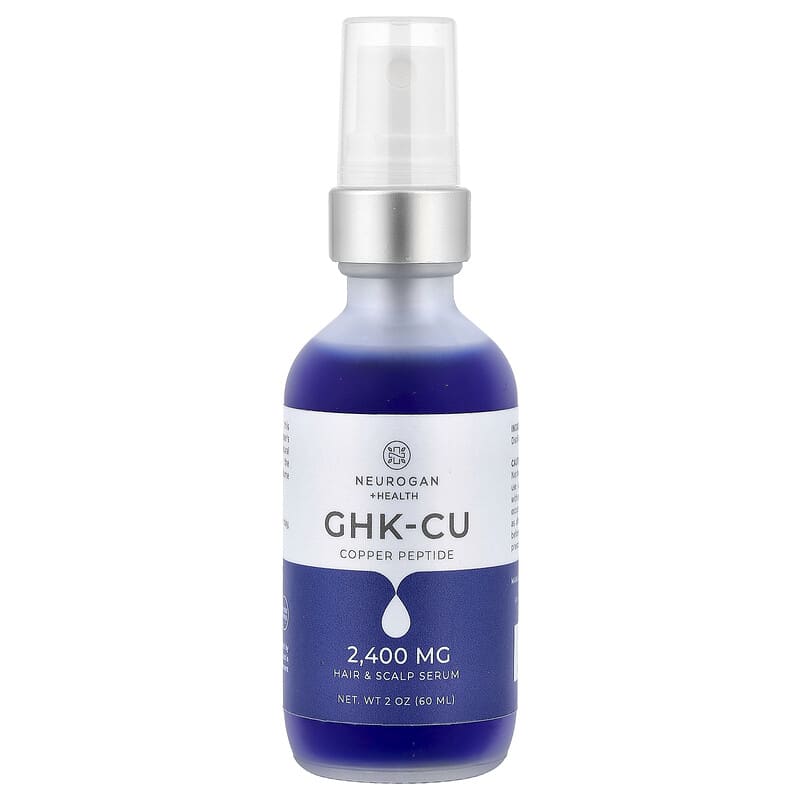
Its primary mechanismactivation of telomerasedirectly addresses cellular senescence, a key hallmark of aging
Before the meeting, more than a half-dozen people with connections to the peptide industry were added to the panel, including doctors, pharmacists or consultants who work with the chemicals
Common Causes of Shoulder Pain While those of us who have never lived with it may think that it only affects baseball pitchers, competitive swimmers, or football quarterbacks, serious shoulder pain can arise from many factors, including one or more of the following causes: Acute injury: Shoulder dislocation or subluxation (partial dislocation), often due to trauma, can cause ongoing pain and stiffness
Reconstitution Methodology Personnel must execute reconstitution slowly to prevent structural damage to the peptide chain: Allow the BPC-157 peptide vial to reach room temperature naturally before adding any liquid
"Arginate" describes the salt form, specifically an arginine salt that serves as the counterion to stabilize the peptide